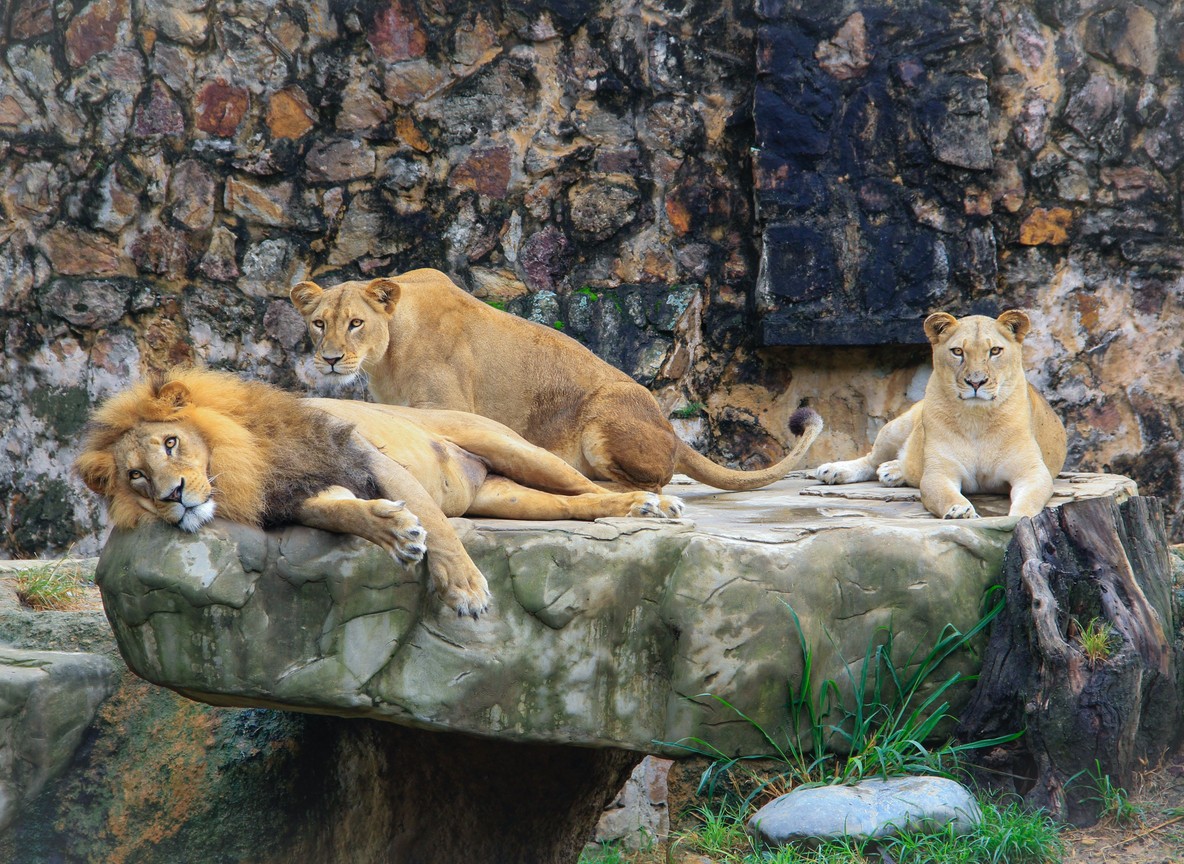
A five-park loop in ten days sounds efficient on paper. In practice it means five packing sessions, five camp check-ins, and long transfer mornings that eat into game drive time. A growing number of travelers are skipping that pattern entirely. They are booking a full week in a single Kenya ecosystem instead. The choice usually lands on the Maasai Mara and its neighboring conservancies.
This is not a compromise trip. Staying in one place for six or seven nights buys back two things a fast multi-park circuit quietly steals. You get real time in the field, plus the chance to follow a story. A pride’s hunting pattern or a matriarch’s herd movement becomes something you can track across several days. That beats glimpsing it once and moving on. Touring Insights put together this guide to explain why the shift is happening. It covers what a slow week actually looks like. The guide also explains how to plan one without wasting the extra days you paid for.
What Slow Travel Means on an East Africa Safari
Slow travel on safari means picking one ecosystem: usually a single reserve plus its bordering conservancies. You stay there for the length of the trip, rather than hopping between parks. A typical fast circuit might jump between Amboseli, the Mara, and Lake Nakuru in a single itinerary. You keep the same guide, the same vehicle, and often the same camp for the whole stay.
The distinction that matters is ecosystem, not property. A week that moves between three different camps inside the Mara-Naboisho-Ol Kinyei corridor still counts as slow travel. You are not driving five or six hours between disconnected parks. The animals you track on day two are often still findable on day six. They have not left the landscape.
Why More Travelers Are Choosing One Park Over a Circuit
Multi-park circuits became the default because they photograph well in a brochure. Amboseli’s elephants against Kilimanjaro, the Mara’s wildebeest crossings, and Lake Nakuru‘s flamingos all fit into one trip. But circuits carry a hidden cost in transfer time that most first-time planners underestimate until they are living it.
A Nairobi-Amboseli-Mara-Nakuru loop typically burns one full travel day for every two safari days. That toll comes from road transfers, luggage restrictions on light aircraft, and re-briefing a new guide at each stop. A week-long stay in one ecosystem cuts that overhead to a single arrival and departure transfer. That leaves five or six full days of game viewing instead of three.
How Much Field Time You Actually Gain
The math is simple once you lay the two itineraries side by side. Below is a realistic comparison for a seven-night trip, using average transfer and check-in overhead reported by Mara-based camps.
| Trip Style | Nights | Parks Visited | Transfer Days Lost | Full Game-Drive Days |
|---|---|---|---|---|
| Fast multi-park circuit (Amboseli, Mara, Nakuru) | 7 | 3 | 3 | 4 |
| Slow travel, one ecosystem (Mara + conservancies) | 7 | 1 (multi-zone) | 1 | 6 |
That is a 50 percent gain in field time for the same number of nights. You get it without spending more on flights between parks.
Where to Base a Slow Travel Week in Kenya
The Maasai Mara ecosystem is the strongest single-ecosystem base for a slow trip. It combines the reserve with several private conservancies, each with a different game-viewing style and its own access rules. Splitting a week between two or three of these zones still counts as one ecosystem. Transfers between them are short and often done by road.
| Zone | Distance from Mara Airstrips | Nightly Conservancy Fee (indicative, per person) | Known For |
|---|---|---|---|
| Masai Mara National Reserve | at gates | included in park fee | Big cat density, river crossings (Jul-Oct) |
| Mara North Conservancy | approx. 15-25 km | USD 70-100 | Low vehicle density, walking safaris |
| Ol Kinyei Conservancy | approx. 20-30 km | USD 70-100 | Night drives, first conservancy established (2005) |
| Naboisho Conservancy | approx. 25-35 km | USD 70-100 | High lion density, no off-roading rule |
Masai Mara National Reserve entry for non-resident adults runs USD 100 per day from January to June. The rate rises to USD 200 per day from July to December. Tickets stay valid for a 12-hour window, not a full 24 hours. Community conservancies like Nashulai run cheaper, in the USD 60-80 range. Always confirm current rates with your camp before booking, since gate fees are adjusted periodically.
Sample Seven-Night Slow Travel Itinerary
A workable structure keeps a fixed base but rotates activities so the week does not feel repetitive. This example uses the Mara-Naboisho corridor.
| Nights | Base | Focus |
|---|---|---|
| 1-3 | Naboisho Conservancy camp | Game drives, one walking safari, one night drive |
| 4-5 | Masai Mara National Reserve access via conservancy camp | Full-day reserve drives, river crossing points if in season |
| 6-7 | Ol Kinyei Conservancy camp | Slower pace, bush breakfast, cultural visit to a nearby Maasai village |
Moving camps twice inside the same ecosystem, rather than five times across three parks, keeps road time short. Each transfer runs under an hour, yet the scenery and activity type still change.
What You Lose by Skipping a Multi-Park Circuit
Slow travel is not free of trade-offs. You will not see Amboseli’s Kilimanjaro backdrop or Lake Nakuru’s flamingo flocks on a Mara-only week. If wildebeest and zebra spectacle is your single priority, a well-timed circuit can still make sense. A route that includes the Serengeti side adds a scale that a single ecosystem cannot match on its own.
The honest way to plan is to ask what you actually want from the trip. First-timers chasing a checklist of iconic sights may still prefer a circuit. Travelers who want depth, repeat sightings, and unhurried mornings tend to report more satisfaction from a slow week. That pattern shows up often in the repeat-guest feedback camps describe.
Explorer Notes
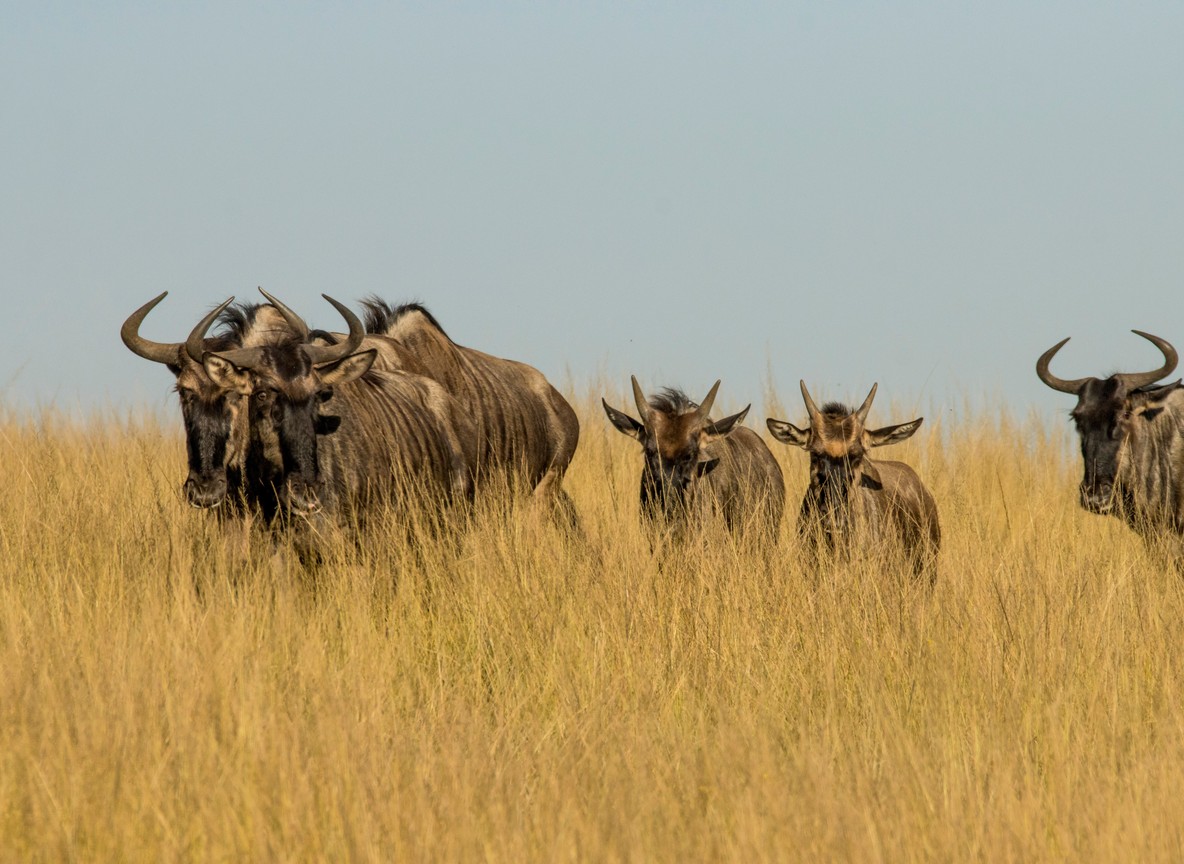
A few things that only become obvious once you have actually done a slow week. Guides who keep the same guests for six or seven days learn what you personally want to see. By day three or four, they start adjusting the plan around that, not a generic checklist. Ask your camp on arrival whether the same guide and vehicle will stay with you the whole stay. Some larger camps rotate staff, and you lose part of the benefit if that happens.
Night drives are usually only permitted in private conservancies, not inside the national reserve itself. If a night drive matters to you, base part of your week in a conservancy. Ol Kinyei and Mara North both allow them. Conservancies also cap vehicle numbers per sighting, often to five or fewer. That cap is the single biggest quality difference from reserve game drives during peak season crowding.
What to Read Next
- Planning a shorter trip instead? See our 48-hour Masai Mara itinerary.
- Curious how conservancies differ from the main reserve? Read our Kenya conservancies guide.
- Comparing a multi-country option? Check our Kenya-Tanzania multi-country itinerary guide.
FAQ
Is a week in one Kenya park enough to see the Big Five? Usually yes, especially in the Mara ecosystem, which holds resident lion, leopard, elephant, and buffalo populations year-round. Rhino sightings depend on the specific conservancy, since black rhino is mostly concentrated in a few protected sanctuaries.
Does slow travel cost more than a multi-park circuit? Not necessarily. You save on internal flights between parks, though conservancy fees add up over a longer stay. Total cost usually lands close to a comparable multi-park trip once flights are factored in.
Will a week in one place feel repetitive? Most guests report the opposite. A longer stay lets the guide vary drive routes and add walking safaris or night drives. It also means tracking specific animals across several days, rather than covering the same ground once.
Can I still do a river crossing safari with a slow travel itinerary? Yes, if your week falls within the July to October migration window and your camp sits near the Mara River. Basing in Mara North or the reserve itself gives the shortest drive to common crossing points.
What is the best month for a slow travel week in the Masai Mara? July through October covers the migration season but also draws the largest crowds. January through March offers quieter conservancies, green scenery, and lower park fees under the reserve’s seasonal pricing.
A slow week in one ecosystem is easiest to plan with the right help. Someone who already knows the conservancies can match one to your pace and budget. Visit the Tour Packages page to compare Mara-based stays. You can also ask a partner operator to help sequence a multi-camp week inside a single ecosystem.
Further reading
- Maasai Mara Wildlife Conservancies Association
- Magical Kenya (Kenya Tourism Board)
- WWF wildlife conservation